Hello there

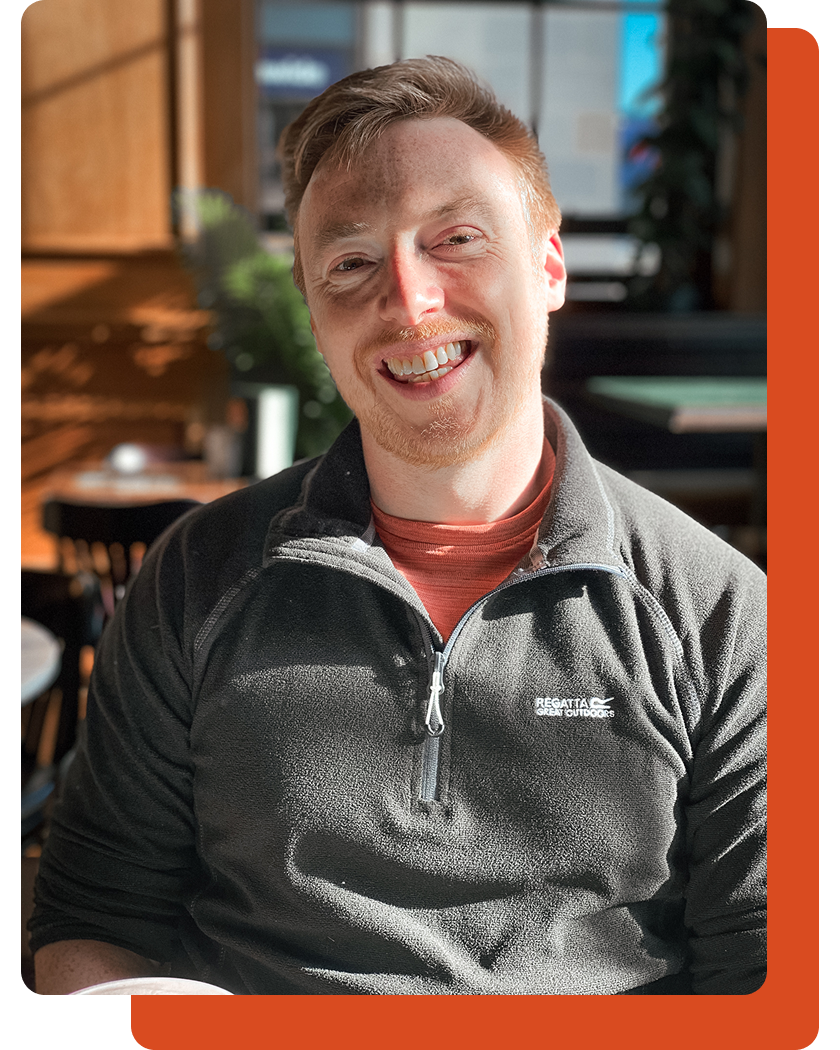
I'm Rich and I make products, not just designs

A decade working across startups, agencies, and freelance. I love the whole process of making things, not just the design layer but the thinking, the problem-solving, the bits in between. Design is the way in, but I'll happily get into research, or whatever else the product needs. I care about the full journey from messy brief to something that actually ships, and I'm comfortable working in the spaces between disciplines to make that happen.

Right now I'm Senior Product Designer at a growing consultancy in Edinburgh, taking products from first sketch to final launch.

Rich Owen

My approach to design

Figma isn't the finish line

The final design doesn't live in Figma, it lives in code. I want to shape the whole experience someone has with a product, not just how the screens look.

So handover isn't throwing a file over the fence. I stay close to the build, and more and more I'm building things myself with Claude Code, so what ships is what we actually meant.

Polish is worth fighting for

"Done is better than perfect" gets said a lot. But with mature dev tooling, solid component libraries and AI in the loop, polish costs far less than it used to.

There are still times when speed has to win. I just don't think "good enough" should be the default, and I'll push for the details that make something feel right.

Get the bad ideas out first

Nobody lands the right idea on the first go. Ideas are cheap, and the bad ones need to come out before the good ones can.

So I spend a little longer going wide before narrowing down. That bit of extra exploration is usually where the unexpected winners are hiding.

How I work with AI

AI has changed how I approach almost every stage of design work. I use it to synthesise research, stress-test ideas, write and iterate on copy, and prototype faster. I've explored Claude Code for building small functional things independently, and Figma MCP for closing the gap between design intent and what ships. It's less about automating tasks and more about staying in flow and moving with more confidence.

But the design thinking still has to come first. Output without understanding is just a faster way to build the wrong thing. AI is good at generating, not at knowing what actually matters to a user or why a product decision is the right one. That judgment comes from experience, research, and genuine curiosity about the problem. The tools amplify good thinking, they don't replace it.

The tools are moving fast and what's useful today might look different in six months, so I try to stay curious, keep experimenting, and hold my workflow loosely enough to adapt.
  • AI-assisted ideation and concept generation
  • Rapid prototyping with AI (Figma Make, Google Stitch, Pencil)
  • Claude Code for functional prototypes and handoff

I'd love to hear what you're building.

A decade across startups, agencies and freelance — design and the bits in between. I'm open to senior product design roles and select consulting work. If you've got a product to move from messy sketch to something that ships, I'd like to help.

Get in touch